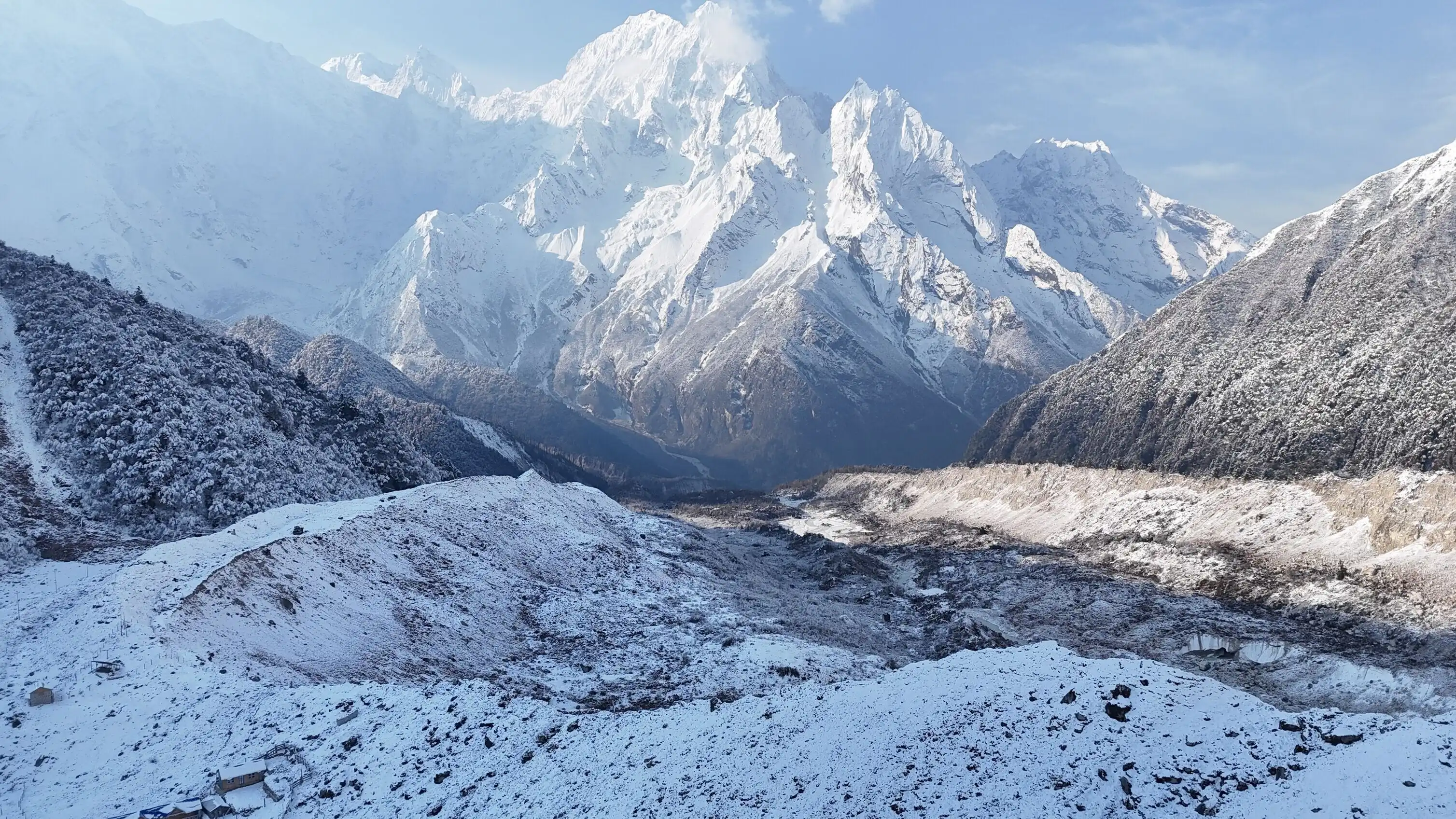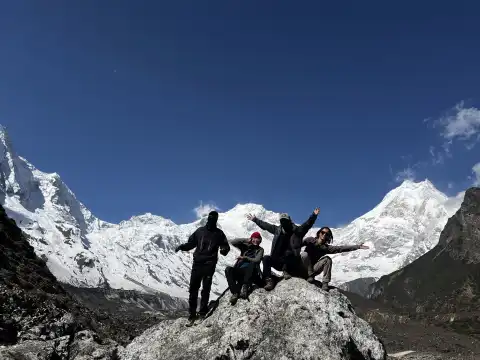
The Manaslu Tsum Valley Trek is one of Nepal’s hidden gems, offering trekkers a combination of cultural richness, remote Himalayan landscapes, and an authentic off-the-beaten-path experience. This trek takes you through the serene Tsum Valley, which is renowned for its ancient Tibetan Buddhist culture, sacred monasteries, and traditional villages untouched by modern development. With panoramic views of snow-capped peaks, lush forests, and unique wildlife, it’s a journey that combines both spiritual exploration and adventurous trekking.
The trek usually starts from Kathmandu, where trekkers can explore the rich culture and historical heritage before heading west to the Manaslu region. The trail gradually ascends through lush forests, charming villages, and remote hamlets like Chumling and Samagaon, providing glimpses of daily life in the Himalayas. One of the highlights of the trek is crossing Larkya La Pass (5160m), which is considered the gateway to breathtaking views of the Manaslu massif and surrounding peaks.
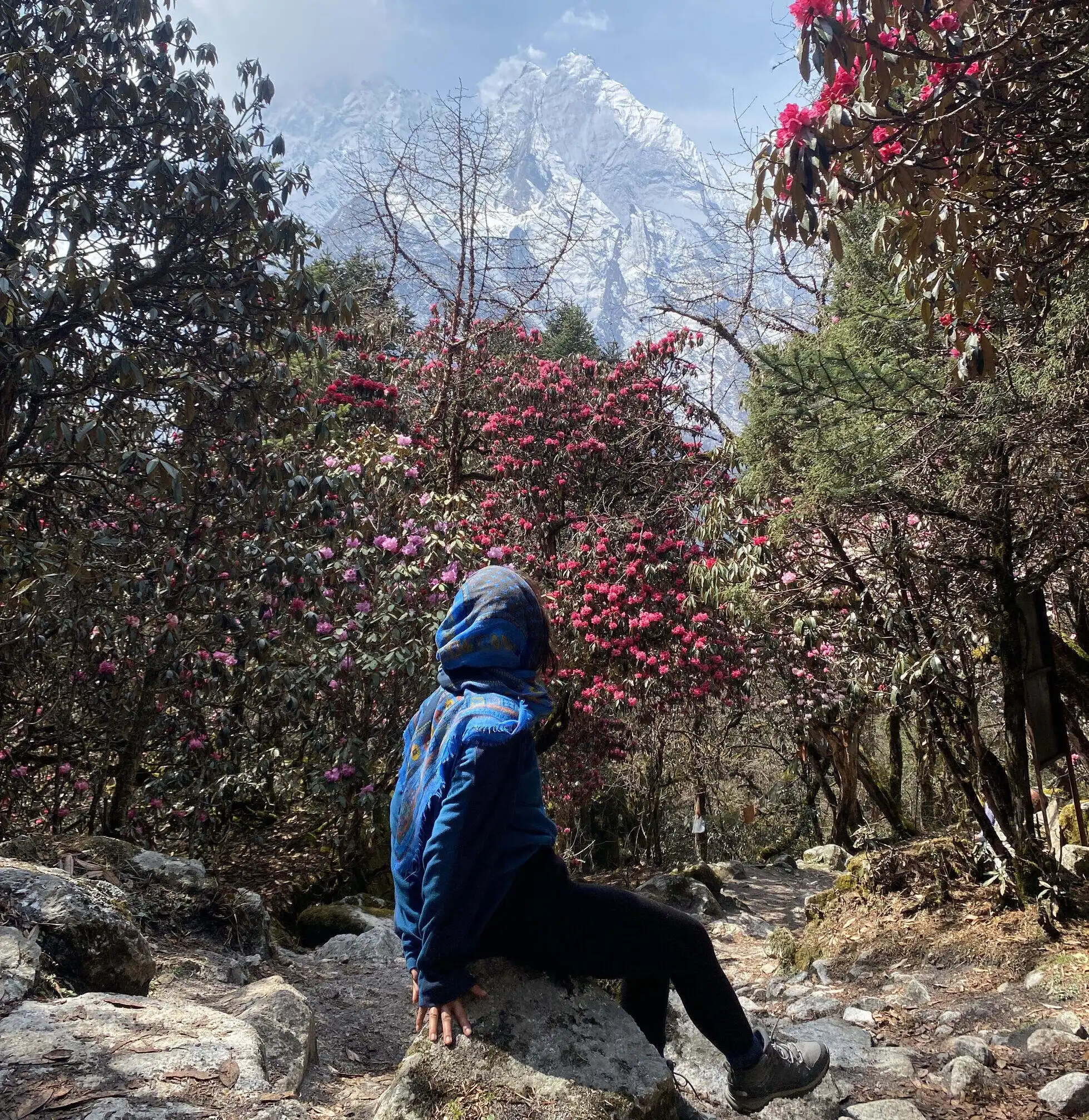
The best time to trek in the Manaslu region is during the autumn (September to November) and spring (March to May) seasons. During autumn, the skies are clear, making it ideal for mountain views and photography, while spring brings vibrant rhododendron blooms and comfortable trekking weather. Both seasons offer moderate temperatures during the day and cold but manageable nights, which is perfect for high-altitude trekking.
Winter (December to February) can be harsh, with heavy snowfall, especially around Larkya La Pass, making trekking dangerous. Summer (June to August) coincides with the monsoon, causing muddy trails, leeches, and unpredictable landslides. Trekking in the recommended seasons ensures safer paths, good weather, and more opportunities to witness local festivals and cultural rituals in Tsum Valley.
Key Points:
The Manaslu Tsum Valley Trek is considered moderate to challenging due to its long trekking days, rugged trails, and high-altitude sections, particularly around Larkya La Pass. Trekkers should be physically fit and accustomed to walking 5–7 hours daily at varying altitudes. While the trail is well-marked, certain parts are remote, requiring stamina, determination, and proper acclimatization to prevent altitude sickness.
Transportation to the trailhead is usually via a combination of road travel from Kathmandu to Machha Khola. Trekkers can hire private jeeps or take local buses, depending on comfort preferences. Roads are often winding and bumpy but pass through beautiful valleys and riversides. During the trek, most transportation is on foot, as Tsum Valley and other villages have limited vehicle access.
Key Points:
During the Manaslu Tsum Valley Trek, food and accommodation are generally tea-house based, with local lodges providing basic yet comfortable stays. Most tea-houses offer simple rooms with beds, blankets, and shared bathrooms. In higher altitudes like Samdo and Larkya Phedi, accommodation becomes more rustic, but warmth and hospitality are consistent throughout the trek.
The local cuisine is simple and nutritious, designed to fuel trekkers for long days on the trail. Popular dishes include dal bhat (rice with lentil soup), noodles, momo (dumplings), and Tibetan bread. Hot drinks such as tea, coffee, and hot chocolate are available in most tea-houses. Trekkers should carry snacks and energy bars for high-altitude sections where meals may be limited.
Key Points:
Trekking in the Manaslu region requires special permits, as it is a restricted area. Trekkers need the Manaslu Restricted Area Permit (RAP), issued by the Nepalese government. Additionally, a TIMS (Trekkers’ Information Management System) card is mandatory for trekking in Nepal. Permits are typically obtained in Kathmandu before departure, and Mountain King Adventures can assist with all paperwork, ensuring a smooth start to your journey.
The permits not only regulate trekking but also help preserve the delicate ecosystem and unique culture of the Tsum Valley. Hiring a local guide or porter is often mandatory in this region to comply with government regulations and support the local economy.
Key Points:
Choosing the Manaslu Tsum Valley Trek with Mountain King Adventures provides an unforgettable journey into one of Nepal’s most remote and culturally rich regions. The trek offers off-the-beaten-path exploration, combining breathtaking Himalayan scenery with Tibetan Buddhist heritage. Unlike more commercial treks like Annapurna or Everest Base Camp, the Manaslu region is quieter, allowing for authentic cultural experiences and personal reflection.
Mountain King Adventures specializes in providing well-organized, safe, and culturally immersive treks. Their expert guides ensure proper acclimatization, route navigation, and insider knowledge of local traditions. From arranging permits to providing reliable porters, food, and accommodation, they offer a complete trekking experience. With Mountain King Adventures, trekkers can enjoy the majestic Manaslu region with safety, comfort, and authentic adventure.
Key Points:
Upon your arrival at Tribhuvan International Airport in Kathmandu, a friendly representative from Mountain King Adventures will welcome you and transfer you to your hotel. After check-in, you can relax and enjoy the bustling city atmosphere. Later, the team will conduct a comprehensive pre-trek briefing covering the itinerary, safety guidelines, trekking permits, and essential gear. You will also have time to explore the nearby Thamel area, pick up any last-minute trekking supplies, and soak in the vibrant culture and cuisine of Kathmandu in preparation for the adventure ahead.
After an early breakfast, you will embark on a scenic drive from Kathmandu to Machha Khola. The journey will take you through winding mountain roads, terraced fields, and picturesque rivers, offering glimpses of rural Nepali life along the way. Upon arrival at Machha Khola, the starting point of your trek, you will settle into your teahouse accommodation. Here, you can enjoy a hot meal while preparing for the upcoming trekking days. This day allows you to relax and mentally prepare, as the trek will soon begin in earnest.
Your trek officially begins today as you walk from Machha Khola to Jagat. The trail follows the Budhi Gandaki River, passing through lush forests and small villages, giving you a chance to observe local life and culture. You will cross several suspension bridges and walk along terraced farmlands, experiencing the pristine beauty of the valley. The climb is gradual, allowing your body to adjust to the altitude. On arrival in Jagat, you will check into a cozy teahouse and enjoy dinner while sharing stories with fellow trekkers or locals in this traditional village setting.
Today’s trek takes you from Jagat to Lokpa, ascending through a mixture of farmland and dense forest. The trail offers stunning views of the surrounding hills and river valleys, as well as glimpses of ancient monasteries and mani walls along the way. You may encounter local shepherds and their livestock, adding to the cultural experience. Upon reaching Lokpa, you will be greeted with the serene atmosphere of a small Himalayan village. Evening at the teahouse allows you to enjoy a warm meal and reflect on the day’s journey amidst spectacular mountain scenery.
The trek from Lokpa to Chumling involves moderate climbing and a gradual immersion into the Tibetan-influenced culture of the Tsum Valley. The trail passes through traditional villages, prayer wheels, and chortens, providing insight into the spiritual life of local communities. You will see terraced fields where locals cultivate buckwheat, barley, and potatoes, adding a touch of color to the valley. Chumling is a quaint village offering panoramic views of surrounding peaks and a peaceful atmosphere. The teahouse stay provides warmth and comfort, perfect for resting before the more challenging days ahead.
This day is more challenging as you ascend towards Rachen Gompa. The trail winds through pine and rhododendron forests and offers spectacular views of snow-capped peaks. Along the way, you will pass several remote villages and have the opportunity to witness traditional lifestyles that have remained unchanged for centuries. Rachen Gompa is a serene monastery perched above the valley, providing breathtaking vistas and a sense of spiritual tranquility. The evening allows for quiet reflection, as the air grows cooler and the mountains glow in the fading light, making this a truly magical Himalayan experience.
Today, you trek from Rachen Gompa to Nile, gradually gaining altitude while traversing through alpine meadows and rugged landscapes. The trail passes by charming hamlets, prayer flags fluttering in the wind, and panoramic mountain views that grow more dramatic with each step. From Nile, you have the option to continue to Mu Gumpa, a remote monastery offering a spectacular viewpoint over the valley. This extension allows for excellent photography opportunities and a deeper cultural experience. Returning to Nile for overnight stay, you can enjoy a warm meal and rest well for the next day’s trek.
Today’s trek involves a gradual descent back to Chumling. Descending through forested slopes and terraced fields, you retrace parts of the trail while enjoying a different perspective of the valley. The descent allows your muscles to relax slightly after the previous day’s ascent, and you can stop to appreciate local architecture and lifestyle in the villages along the way. Upon reaching Chumling, you will enjoy the comforting atmosphere of familiar teahouses and can mingle with locals or trekkers. The evening offers a chance to rest, reflect, and share experiences from the trek so far.
The trek from Chumling to Deng is a descent through dense forests, alongside rivers, and past several small settlements. This section provides a more intimate view of rural Himalayan life, with terraced farms, wooden houses, and traditional bridges. Deng is a larger village, offering amenities for trekkers and a friendly atmosphere. The surrounding landscape features lush valleys and bamboo forests, creating an immersive trekking experience. Once you reach Deng, the teahouse accommodation allows for relaxation, and you can enjoy dinner while preparing mentally and physically for the upcoming climbs.
Today’s trek is a steady climb from Deng to Namrung, introducing you to higher-altitude landscapes. The trail passes through dense forests, waterfalls, and traditional villages, offering an excellent chance to observe the unique culture and customs of the Tsum region. Namrung is a beautiful village known for its monasteries and ancient stone structures. The teahouse here provides spectacular views of surrounding mountains, making it a perfect spot to rest and acclimatize. The evening is ideal for enjoying local cuisine and interacting with villagers, deepening your understanding of life in the remote Himalayas.
Ascending from Namrung to Lho, you will experience the higher Himalayan terrain with pine and juniper forests. The trail becomes steeper and more rugged, but the scenery is increasingly dramatic, with towering peaks and deep valleys. Lho is an ancient village with significant cultural and religious importance, featuring a centuries-old monastery and traditional houses. Arriving in Lho, you can explore the village, witness local rituals, and enjoy breathtaking views of the surrounding mountains. The evening offers time to rest and prepare for the next day’s trek to Samagaon.
Today, you trek from Lho to Samagaon, entering the heart of the Manaslu region. The trail is scenic, passing through alpine landscapes, mani walls, and prayer flags. Samagaon is a vibrant village with lodges and teahouses, providing excellent views of Manaslu and surrounding peaks. This village is also home to the Pungen Monastery and local markets where you can experience Tibetan-influenced culture. Evening in Samagaon allows for relaxation, acclimatization, and enjoying a warm meal while soaking in panoramic views, preparing for the challenging trek ahead.
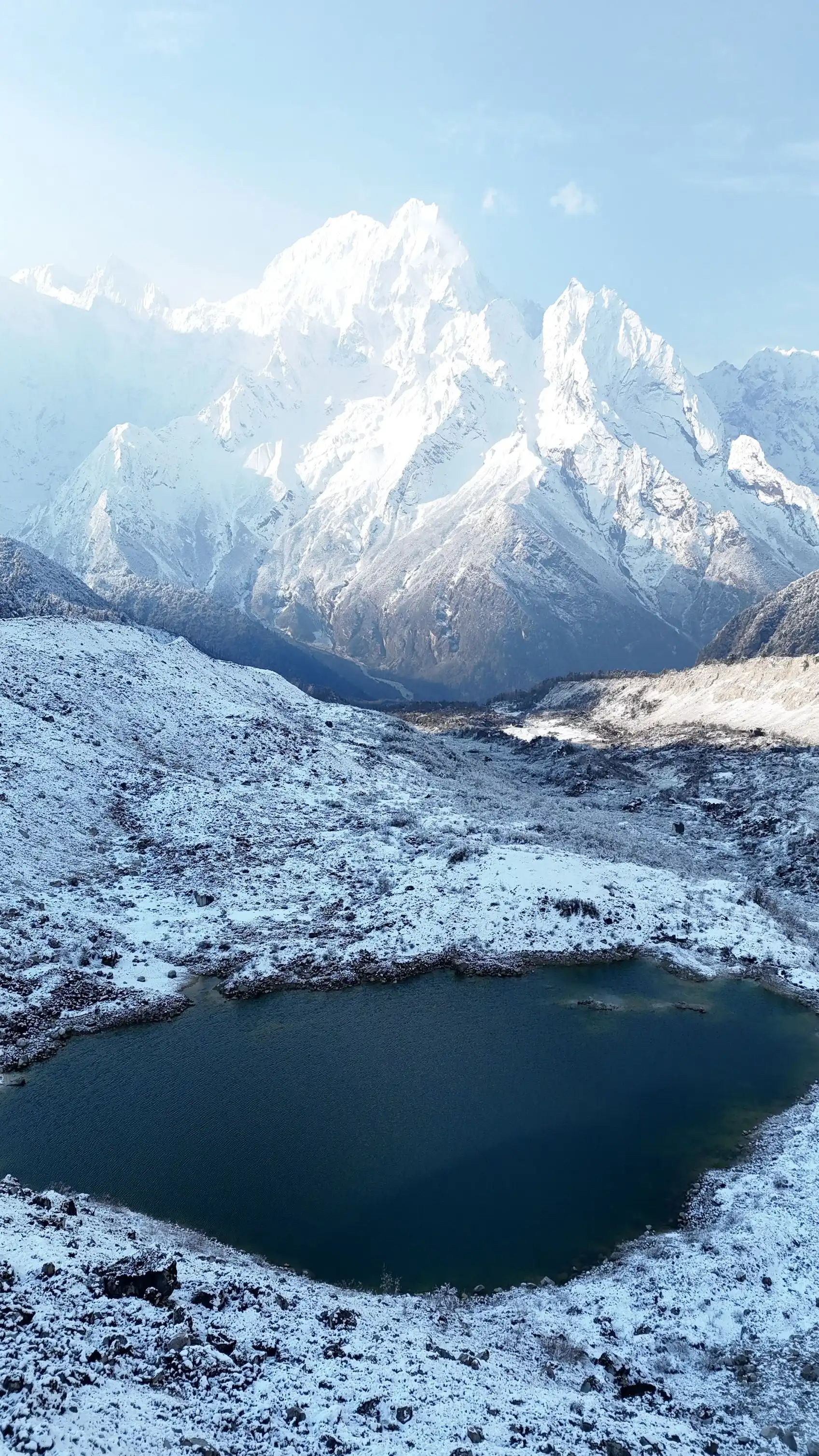
This is an important acclimatization day to adjust to higher altitudes. You can choose to hike to the stunning Birendra Lake, visit the spiritual Pungen Monastery, or attempt a short trip toward Manaslu Base Camp. Each option offers breathtaking scenery, wildlife sightings, and cultural insights. Returning to Samagaon, you can rest, reflect, and socialize with fellow trekkers. This day ensures your body adapts to the altitude while providing an enriching experience of both natural beauty and Tibetan Buddhist culture, making your trek safer and more enjoyable.
The trail from Samagaon to Samdo gradually ascends through rugged alpine terrain, offering awe-inspiring views of glaciers and high peaks. Samdo is the last permanent settlement before the high Larkya La Pass, and the village showcases traditional Tibetan-influenced culture. Teahouses here are cozy, and the clear mountain air allows for excellent stargazing at night. The trek today is physically demanding but rewarding, providing panoramic views and a sense of accomplishment as you approach the high Himalayas. This stop is crucial for acclimatization before tackling Larkya La Pass.
This is a challenging ascent from Samdo to Larkya Phedi, the base camp for crossing Larkya La Pass. The trail traverses moraines, rocky paths, and high-altitude alpine zones. Trekkers can witness dramatic mountain vistas, glacial streams, and the stark beauty of the high Himalayas. Arriving at Larkya Phedi, you will feel the thrill of being close to one of the most iconic passes in Nepal. The teahouse provides shelter and warmth, allowing you to rest and prepare mentally and physically for the early morning crossing of Larkya La, one of the highlights of the trek.
Today is the most exhilarating and challenging day as you cross Larkya La Pass at 5,160 meters. The early morning start allows you to ascend in crisp, clear conditions, witnessing breathtaking sunrises over surrounding peaks. The trail is steep and rocky, requiring stamina and focus. After successfully crossing the pass, you descend to Bimthang, a beautiful valley surrounded by towering mountains and lush meadows. The teahouse stay in Bimthang is a well-deserved rest, where you can relax, share stories with fellow trekkers, and marvel at the immense achievement of crossing Larkya La.
The descent from Bimthang to Dharapani takes you through forests, rivers, and traditional villages. The trail gradually returns to lower altitudes, allowing your body to recover from high-altitude trekking. Along the way, you will pass suspension bridges, terraced fields, and small hamlets, observing the daily life of local communities. Dharapani is a larger village with comfortable lodges, offering a chance to relax, enjoy a hearty meal, and reflect on the incredible journey through the Manaslu and Tsum Valley region.
After breakfast, you will take a scenic drive back to Kathmandu. The route offers breathtaking views of rivers, valleys, and hills, giving one last glimpse of the stunning landscapes of the Manaslu region. Upon arrival in Kathmandu, you will check into your hotel and have time to relax, explore the city, or shop for souvenirs. The evening is perfect for celebrating the completion of your trek with a farewell dinner organized by Mountain King Adventures, sharing memories and experiences with fellow trekkers.
After breakfast, depending on your flight schedule, you will be transferred to Tribhuvan International Airport for your onward journey. Before departure, there may be time for last-minute shopping or sightseeing in Kathmandu. This marks the conclusion of your unforgettable adventure through the Manaslu and Tsum Valley, leaving you with lifelong memories of stunning landscapes, cultural experiences, and personal achievements made possible by Mountain King Adventures.
Clothing
Handwear
Footwear
Gear
Miscellaneous
The trek is considered moderate to challenging due to long walking days, variable terrain, and high-altitude sections. While beginners with good fitness levels can attempt it, prior trekking experience at similar altitudes is highly recommended. Mountain King Adventures provides professional guides who tailor the pace to the group’s ability, offer acclimatization tips, and ensure safety during difficult sections, including high passes like Larkya La. With proper preparation and guidance, even those new to trekking can enjoy the journey safely.
Trekking in the Manaslu Tsum Valley requires good physical fitness, including stamina, leg strength, and cardiovascular endurance. You should be comfortable walking 5–7 hours daily on uneven trails, often with steep ascents and descents. Regular cardio exercises, long walks, and hiking with a backpack before the trek can help significantly. Mountain King Adventures provides a detailed fitness and training guide to help trekkers prepare. The professional guides also adjust daily distances and rest periods to match the group’s fitness levels, ensuring a safe and enjoyable trek.
Altitude sickness is a possibility, as the trek reaches elevations above 5,000 meters at Larkya La Pass. Symptoms include headache, nausea, dizziness, and fatigue. Mountain King Adventures prioritizes gradual acclimatization, providing rest days and optional short hikes to help your body adjust. Guides are trained to monitor symptoms and can administer first aid or adjust the itinerary as needed. Adequate hydration, proper nutrition, and pacing yourself are crucial, and our team ensures that trekkers are well-prepared and supported to minimize risks.
Connectivity in the Manaslu Tsum Valley is limited and unreliable in most areas. Mobile coverage may be available in larger villages like Samagaon or Namrung, but remote settlements and high-altitude passes often have no signal. Internet access is generally available only in select lodges, and speeds can be slow. Mountain King Adventures encourages trekkers to use this opportunity to disconnect, enjoy nature, and immerse themselves fully in the Himalayan experience. Emergency communication is maintained through guides equipped with satellite phones when needed.
Yes, trekkers need a Manaslu Restricted Area Permit (RAP) and a Tsum Valley Restricted Area Permit to enter these regions. These permits help regulate tourism, protect the environment, and support local communities. Trekking permits are issued only in groups with a licensed guide, making it mandatory to travel with a registered agency like Mountain King Adventures. The company assists with all permit arrangements, ensuring your trek is fully legal and hassle-free, and also provides detailed documentation to carry throughout your journey.
The best time to trek the Manaslu Tsum Valley is during the pre-monsoon season from March to May and the post-monsoon season from September to November. During these periods, the weather is relatively stable, with clear skies offering stunning mountain views and moderate temperatures. Spring brings colorful rhododendron blooms, while autumn provides crisp, dry air and excellent visibility. Winter and monsoon seasons are less ideal due to heavy snowfall, landslides, and limited accessibility. Mountain King Adventures carefully plans itineraries around these optimal seasons for safety and scenic enjoyment.
Accommodation in the Tsum Valley consists mostly of basic teahouses and lodges, offering a simple but comfortable stay. Facilities vary from shared dormitories to private rooms, with basic bedding and heated common areas in higher villages. Hot showers may be limited at higher altitudes. Mountain King Adventures selects reputable teahouses with good hygiene standards and ensures trekkers receive meals prepared with fresh local ingredients. The focus is on comfort while maintaining a rustic Himalayan experience that allows you to immerse yourself in local culture.
The teahouses in the Manaslu region serve a mix of Nepali, Tibetan, and Western meals, including dal bhat, noodles, soups, and pasta. Fresh vegetables, eggs, and locally grown grains are commonly available. While meals are generally nutritious and sufficient for trekking energy needs, options may be limited in remote villages. Mountain King Adventures ensures you have access to warm, healthy meals every day, and can accommodate dietary preferences if informed in advance, making the trek safe and enjoyable for everyone, including vegetarians and those with mild dietary restrictions.
Packing appropriately is essential for comfort and safety. Key items include layered clothing for varying temperatures, sturdy trekking boots, warm jackets, gloves, hats, trekking poles, sunscreen, water purification tablets, and a sleeping bag suitable for sub-zero temperatures. Personal medication, headlamps, and a daypack are also recommended. Mountain King Adventures provides a detailed packing list tailored to the season and trek duration, ensuring trekkers are fully prepared for high-altitude conditions, unpredictable weather, and both cultural and natural exploration.
The Manaslu Tsum Valley Trek is generally safe, but it requires preparation and caution due to high altitude, remote terrain, and variable weather conditions. Risks include altitude sickness, landslides, and occasional river crossings. Mountain King Adventures prioritizes safety by providing experienced guides, trained support staff, proper acclimatization, and emergency response protocols. Guides carry first aid, communicate with support teams, and monitor all trekkers’ well-being daily. Following instructions, maintaining a steady pace, and using proper gear ensures a safe and memorable trekking experience.