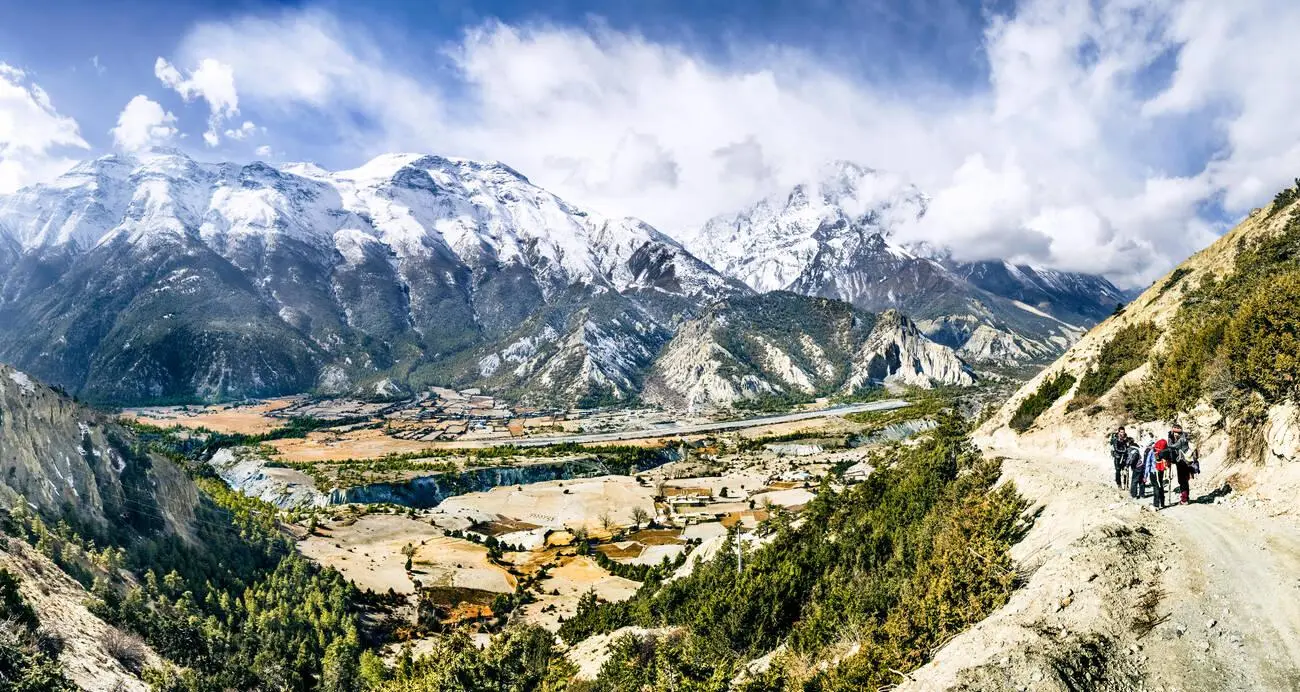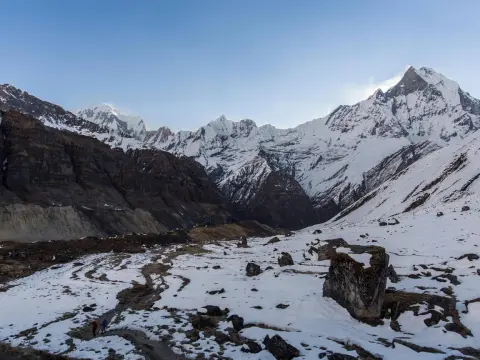
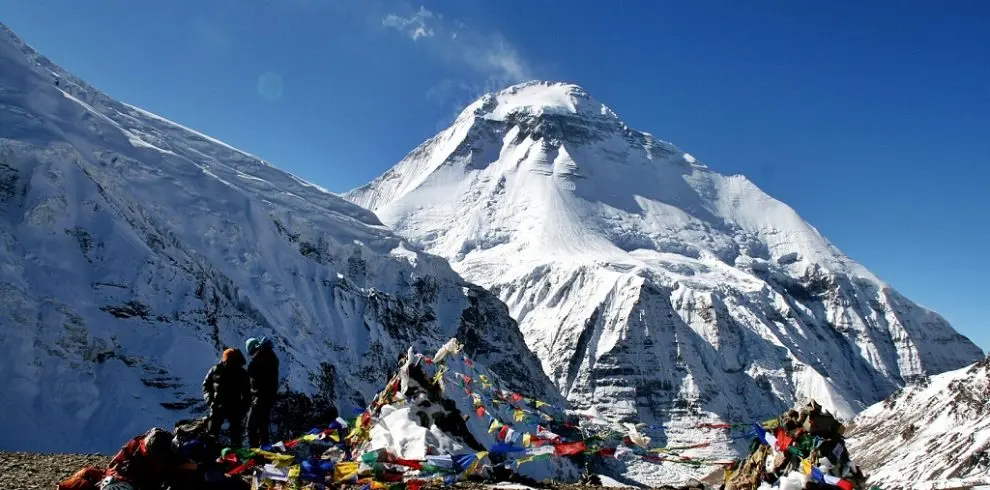
The Annapurna Circuit Trek is one of the most famous trekking routes in Nepal, offering an extraordinary blend of natural beauty, cultural diversity, and high-altitude adventure. Starting from the lush subtropical landscapes of the lower valleys, trekkers gradually ascend through terraced farmlands, rhododendron forests, and traditional mountain villages. Along the way, you witness breathtaking views of snow-capped peaks including Annapurna I, Dhaulagiri, Machapuchare, and Lamjung Himal. This trek takes you through diverse ecosystems, from tropical jungles to alpine meadows, making it a journey through Nepal’s contrasting landscapes.
The trek also immerses travelers in rich cultural experiences, as you pass through settlements of Gurung, Thakali, and Manangi communities. Each village offers insights into traditional lifestyles, architecture, and hospitality. A highlight of the trek is crossing the Thorong La Pass at 5,416 meters (17,769 feet), which challenges trekkers physically but rewards them with unparalleled panoramic views. Mountain King Adventures ensures a well-planned itinerary that balances trekking with rest days to aid acclimatization, making this a safe and unforgettable adventure for enthusiasts of all levels.
The Annapurna Circuit Trek is accessible almost year-round, but the best seasons for trekking are autumn (September to November) and spring (March to May). These periods offer the clearest mountain views, stable weather, and moderate temperatures. Autumn is particularly favored because the skies are clear after the monsoon, the rhododendron forests are vibrant, and the trails are bustling with fellow trekkers, which adds a social dimension to the journey. Spring, on the other hand, presents blooming rhododendrons and wildflowers, making it perfect for nature photography enthusiasts.
Winter (December to February) is less crowded but extremely cold at higher altitudes, with the risk of snow blocking passes like Thorong La. Summer (June to August) coincides with the monsoon season, leading to slippery trails, landslides, and cloudy mountain views, though the lower regions are still accessible for those seeking solitude. Mountain King Adventures recommends planning your trek according to the season, ensuring proper gear, and considering acclimatization days to maximize safety and enjoyment.
Best Season Insights:
The Annapurna Circuit is considered a moderate to challenging trek, suitable for fit beginners, experienced trekkers, and adventure enthusiasts. The trail spans approximately 160–230 km depending on the route, with daily trekking durations ranging from 3 to 10 hours. While most days involve steady climbs and descents, the major challenge lies in crossing the Thorong La Pass at 5,416 meters. Proper acclimatization, hydration, and pacing are crucial to avoid altitude sickness. Mountain King Adventures structures the itinerary with gradual altitude gains, rest days, and short hikes to nearby viewpoints for safe acclimatization.
Transportation to and from the trekking route is typically arranged via private vehicles. Most trekkers start from Kathmandu, which is well-connected internationally. From Kathmandu, you can drive to Syange or Jagat, which is the gateway for the lower section of the trek. After completing the circuit, trekkers often return via road through Pokhara to Kathmandu. Mountain King Adventures ensures reliable transport services, experienced drivers, and comfortable vehicles, reducing travel stress and enhancing the overall trekking experience.
Key Points:
The Annapurna Circuit Trek offers a mix of traditional Nepali cuisine and simple but comfortable lodging along the route. Trekkers mostly stay in teahouses, which are local lodges providing meals, warm rooms, and basic amenities. The quality of accommodation varies by altitude, with lower regions offering more comfortable rooms with attached bathrooms, while higher villages provide simpler, cozy rooms with shared facilities. Mountain King Adventures ensures that all stays are safe, hygienic, and suitable for acclimatization.
Food on the trail includes local specialties like dal bhat (lentil soup with rice), momo (dumplings), vegetable curry, noodles, and porridge. Most teahouses serve breakfast, lunch, and dinner, with hot beverages such as tea, coffee, and local butter tea available. Mountain King Adventures prioritizes quality meals to maintain energy levels for trekkers and caters to vegetarian and dietary restrictions upon request. Hydration is also emphasized, with purified water or boiled water being provided along the trek.
Food & Accommodation Summary:
Trekking in the Annapurna region requires specific permits to ensure environmental protection and support local communities. The two essential permits are the Annapurna Conservation Area Permit (ACAP) and the Trekkers’ Information Management System (TIMS) card. ACAP is mandatory for all trekkers entering the Annapurna Conservation Area, covering expenses for conservation, management, and community support. The TIMS card helps track trekkers for safety purposes and is checked at various entry and exit points along the trail.
Mountain King Adventures provides guidance on all necessary permits, including assistance in obtaining them in Kathmandu before starting the trek. Trekking without permits is strictly prohibited and may result in fines or denial of access in certain villages. Having these permits also ensures responsible trekking, as fees contribute directly to local infrastructure, conservation efforts, and the well-being of resident communities.
Permit Essentials:
Choosing the Annapurna Circuit Trek with Mountain King Adventures guarantees a safe, organized, and unforgettable trekking experience. With years of experience in Himalayan treks, the company provides expert guides, reliable porters, and customized itineraries that cater to your fitness, interests, and acclimatization needs. Their team ensures seamless logistics, from airport pick-ups in Kathmandu to transportation to the trailhead and return to Pokhara or Kathmandu.
In addition to safety and logistics, Mountain King Adventures emphasizes cultural immersion and responsible tourism. Trekkers enjoy opportunities to interact with local communities, experience traditional cuisine, and learn about regional customs and lifestyles. The company also prioritizes environmental responsibility, using sustainable practices and supporting local conservation projects along the Annapurna Circuit. Whether you are a first-time trekker or a seasoned adventurer, Mountain King Adventures provides guidance, support, and a personalized touch that transforms the Annapurna Circuit into more than just a trek—it becomes a life-changing journey.
Reasons to Choose Mountain King Adventures:
Upon arrival at Tribhuvan International Airport in Kathmandu, you will be warmly welcomed by our Mountain King Adventures team and transferred to your hotel. After settling in, you can take some time to rest and recover from your flight. Kathmandu is a bustling city filled with vibrant culture, traditional architecture, and rich history. In the evening, we will hold a short briefing to outline the trek itinerary, provide essential travel tips, and ensure your trekking permits and documentation are ready, allowing you to feel fully prepared for the journey ahead.
Today is dedicated to exploring the cultural highlights of Kathmandu while preparing for your trek. You will visit UNESCO World Heritage sites such as the sacred Pashupatinath Temple, the vibrant Boudhanath Stupa, and the historic Durbar Square. These sites provide a fascinating glimpse into Nepalese spirituality and architecture. After sightseeing, you’ll have the opportunity to check and organize trekking gear, stock up on essential supplies, and meet your trekking guide and porters. This day ensures that you are fully equipped and mentally ready for the adventure that awaits on the Annapurna Circuit.
After an early breakfast, you will embark on a scenic drive from Kathmandu to Syange or Jagat, passing through picturesque landscapes of terraced hills, rivers, and small villages. The journey can take 8–10 hours depending on road conditions, offering glimpses of rural Nepalese life along the way. Upon arrival in Syange/Jagat, you will meet your trekking team, settle into a teahouse, and enjoy a hearty dinner. This is your first night in the Annapurna region, allowing you to acclimatize to the lower altitudes and mentally prepare for the trek ahead.
The trek officially begins today as you walk from Syange/Jagat to Dharapani. The trail winds through lush forests, charming villages, and the flowing Marsyangdi River. You will pass through suspension bridges, traditional stone houses, and small tea shops offering local snacks. The trek gradually ascends, allowing your body to adjust to higher elevations. Dharapani is a peaceful village with welcoming teahouses, perfect for your first overnight stop. Along the way, your guide will share fascinating insights into the culture and customs of the local Gurung and Manangi communities, enriching your trekking experience.
Today's trek takes you through a diverse landscape as you ascend from Dharapani to Chame. You will pass through terraced fields, dense pine forests, and picturesque villages. Chame, the administrative center of the Manang district, offers stunning views of Annapurna II and Lamjung Himal. The trail is moderate, allowing for gradual acclimatization, and you’ll notice a change in vegetation as you climb higher. In Chame, traditional teahouses provide comfortable accommodations, where you can enjoy local Nepali cuisine. The crisp mountain air and serene surroundings make it a rejuvenating stop before the higher reaches of the trek.
Today, the trail leads you from Chame to Pisang, a village known for its dramatic mountain vistas and traditional architecture. You will trek along the Marsyangdi River, passing through apple orchards and charming stone villages. The landscape becomes more rugged and alpine as you gain altitude, offering breathtaking views of Pisang Peak and Annapurna II. Pisang is divided into Upper and Lower Pisang, each reflecting the local culture and lifestyle. The village teahouses provide cozy accommodation, and the evening is perfect for capturing the sunset over the snow-capped peaks while acclimatizing to the increasing altitude.
The trek from Upper Pisang to Manang offers some of the most spectacular scenery on the Annapurna Circuit. The trail gradually ascends through high-altitude landscapes, past prayer flags, mani stones, and traditional monasteries. You will be surrounded by the towering peaks of Annapurna, Gangapurna, and Tilicho. Manang is a charming village known for its welcoming locals and Tibetan-influenced culture. Arriving in Manang, you can explore the village, visit small shops, and enjoy spectacular sunset views over the mountains. This stop is crucial for acclimatization as you prepare for higher elevations in the coming days.
A full rest day in Manang allows your body to acclimatize to the high altitude. You can take a gentle walk to nearby viewpoints, explore the village’s monasteries, or visit the local museum. Optional hikes to Ice Lake or Gangapurna Lake are possible for those seeking adventure, offering breathtaking views of surrounding peaks. This day also provides an opportunity to interact with locals, learn about their traditional lifestyle, and relax in preparation for the challenging trek ahead. Proper hydration, light activity, and rest ensure you are ready for the next phase of the circuit.
The trek today is shorter but crucial for acclimatization. You will leave Manang and climb steadily to Yak Kharka, passing grazing yaks, alpine meadows, and small mountain streams. The scenery becomes more dramatic, with panoramic views of Gangapurna and Annapurna III. Yak Kharka is a small settlement primarily used by local herders, offering simple teahouse accommodations. The shorter trekking distance allows your body to adjust to the increasing altitude, preparing for the ascent to Thorong La Pass in the next days. Evenings here are crisp and quiet, perfect for rest and reflection.
Today’s trek takes you to Thorong Phedi, the base for the famous Thorong La Pass. The trail gradually climbs through high alpine terrain, with breathtaking views of surrounding peaks and glaciers. This short trek is designed to help your body adjust before the challenging pass ahead. Thorong Phedi is a small cluster of lodges that cater to trekkers, providing simple but comfortable accommodations. Evening preparation includes discussions with your guide about early morning ascent strategies, weather conditions, and safety, ensuring you are mentally and physically ready for the summit attempt.
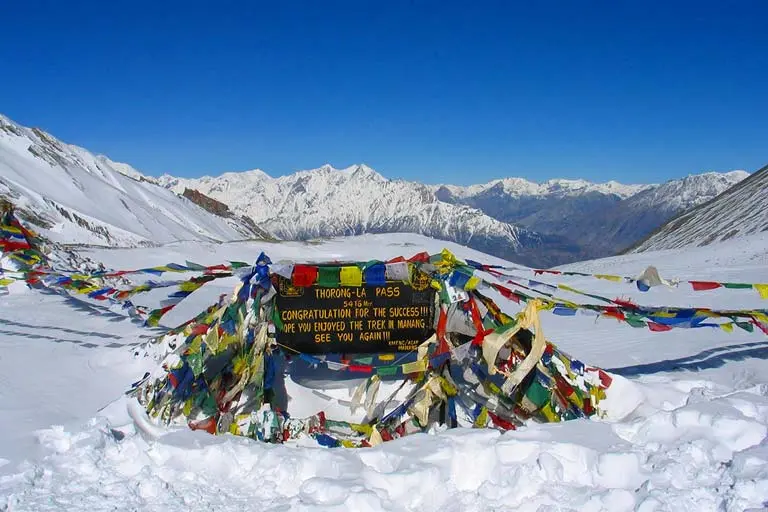
This is one of the most rewarding days of the trek as you cross the Thorong La Pass (5,416m/17,769 ft) before descending to Muktinath. The early morning ascent offers sunrise views over the Himalayas, creating a truly magical experience. After reaching the pass, you descend into the sacred town of Muktinath, renowned for its temple and holy waters. The trail showcases diverse landscapes, from barren high-altitude zones to lush valleys. In Muktinath, you will rest at local teahouses, enjoy hearty meals, and explore the culturally significant temple, reflecting on the achievement of crossing one of the highest passes in the world.
After the challenging high-altitude trek, you will drive from Muktinath to Tatopani. The journey passes through dramatic river valleys, terraced fields, and scenic mountain villages. Tatopani is famous for its natural hot springs, where you can relax and soothe sore muscles after the demanding trek. The drive is long but scenic, offering glimpses into rural life in the Annapurna region. Upon arrival, you can enjoy a warm soak in the hot springs, providing much-needed relaxation and rejuvenation. The village teahouses offer comfortable accommodations and a chance to rest fully before the final trekking days.
Today begins the trek from Tatopani to Ghorepani, ascending through rhododendron forests, terraced farmland, and traditional villages. The trail gradually climbs, offering stunning views of Annapurna South and Machapuchare (Fishtail) Mountain. Ghorepani is a popular stop due to its location near Poon Hill, famous for sunrise panoramas. The village provides cozy teahouses where trekkers can rest and enjoy local cuisine. The combination of natural beauty, traditional culture, and moderate trekking makes this day both challenging and rewarding, preparing you for the final trekking stretch towards Tadapani.
From Ghorepani, the trail to Tadapani continues through dense forests of rhododendron and oak, offering a peaceful trekking experience. You will encounter small villages and tea houses along the way, giving insight into local life in the Annapurna region. Tadapani provides stunning mountain views, particularly of Annapurna South and Hiunchuli, making it a photographer’s paradise. The moderate trek allows for a leisurely pace, enabling you to soak in the natural surroundings. Upon arrival, the teahouses provide comfortable lodging and an opportunity to rest and prepare for the final descent towards Ghandruk.
The trek today descends from Tadapani to the picturesque village of Ghandruk, renowned for its traditional Gurung culture and stone houses. You will pass terraced fields, waterfalls, and small village paths, enjoying scenic vistas of Annapurna South. After exploring Ghandruk, the trail continues downhill to Nayapul, where your vehicle awaits for the one-hour drive to Pokhara. Pokhara, a serene lakeside city, offers modern comforts, restaurants, and breathtaking views of the Annapurna range across Phewa Lake. This marks the end of the trekking adventure, allowing you to relax, celebrate, and enjoy the comforts of the city.
After breakfast in Pokhara, you will drive back to Kathmandu, passing through scenic valleys, rivers, and terraced hills. The journey allows you to reflect on the incredible experiences of the trek while enjoying Nepal’s diverse landscapes. Upon arrival, you will check into your hotel, where the evening is free for shopping, exploring Thamel’s vibrant streets, or enjoying a farewell dinner with the Mountain King Adventures team. This final night in Kathmandu is perfect for reminiscing about the Annapurna Circuit and preparing for your departure the next day.
Today marks the conclusion of your Annapurna Circuit Trek adventure with Mountain King Adventures. Depending on your flight schedule, you will be transferred to Tribhuvan International Airport for your onward journey. As you bid farewell to Nepal, you carry memories of towering peaks, serene villages, and the personal accomplishment of completing one of the world’s most iconic trekking circuits. The friendships formed, the landscapes witnessed, and the cultural experiences encountered make this trek a truly transformative journey. Safe travels as you return home with unforgettable stories and experiences.
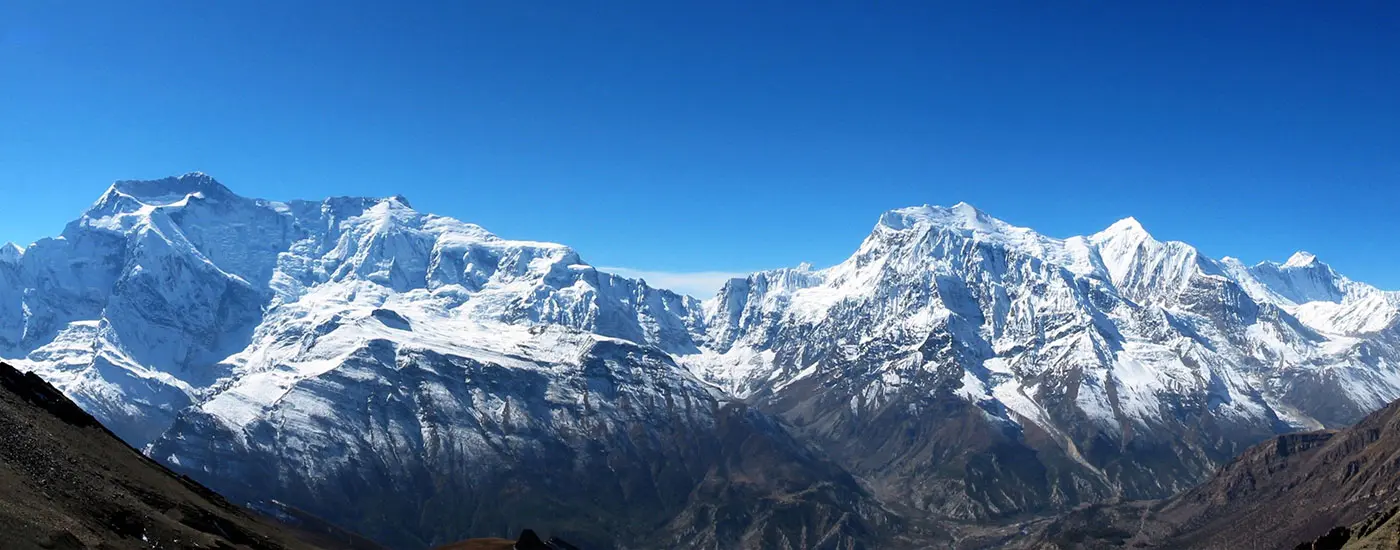
The Annapurna Circuit with Mountain King Adventures was absolutely amazing. The trails, villages, and mountains were stunning, and the team made everything smooth and enjoyable. The guides were friendly, professional, and very knowledgeable. Truly a trip of a lifetime!
Clothing
Handwear
Footwear
Gear
Miscellaneous
The Annapurna Circuit is considered a moderate to challenging trek, suitable for individuals with reasonable fitness levels. The trail involves long trekking days, varying altitudes, and occasional steep climbs. Mountain King Adventures emphasizes proper acclimatization to prevent altitude sickness, as some sections, like Thorong La Pass, exceed 5,000 meters. While no technical climbing skills are required, trekkers should be prepared for uneven terrain, river crossings, and high-altitude conditions. Mental preparation, endurance, and a positive attitude are equally important as physical fitness.
Typically, the full Annapurna Circuit Trek takes around 14 to 17 days, depending on the route, acclimatization stops, and sightseeing preferences. Mountain King Adventures usually organizes a 17-day itinerary that includes rest days in Manang and time to explore scenic villages, lakes, and cultural landmarks. This duration allows trekkers to gradually acclimatize, enjoy local culture, and experience the diversity of landscapes, from subtropical forests to high alpine deserts, ensuring a safe and fulfilling trekking experience.
Trekking the Annapurna Circuit requires a moderate to high fitness level. Trekkers should be able to walk for 5–7 hours daily over uneven terrain, steep ascents, and descending trails at high altitudes. Mountain King Adventures recommends engaging in pre-trek exercises such as hiking, jogging, cycling, and stair climbing to build stamina and leg strength. Regular cardiovascular workouts also help improve endurance and oxygen efficiency, which is crucial for high-altitude trekking. Adequate preparation ensures an enjoyable experience and reduces the risk of fatigue or altitude sickness.
Altitude sickness is a real concern above 3,000 meters. Mountain King Adventures emphasizes gradual acclimatization, proper hydration, and pacing yourself on the trail to reduce the risk. Rest days in Manang and short acclimatization hikes are part of the itinerary to help your body adjust. Avoid alcohol, heavy meals, and rapid ascents. Recognizing early symptoms such as headaches, nausea, or dizziness and informing your guide immediately is essential. Guides carry oxygen and first aid, and in severe cases, descending to lower altitudes is the safest treatment.
The best time for trekking the Annapurna Circuit is during the spring (March to May) and autumn (September to November) seasons. During these periods, the weather is generally stable, skies are clear, and visibility of the Himalayan peaks is excellent. Spring offers blooming rhododendrons, while autumn presents lush green valleys and harvest landscapes. Mountain King Adventures recommends avoiding the monsoon season (June to August) due to heavy rainfall, landslides, and slippery trails, while winter can be extremely cold with snow at high altitudes.
Along the Annapurna Circuit, trekkers stay in cozy teahouses, guesthouses, and lodges. These accommodations are basic but comfortable, providing meals, warm rooms, and a place to rest after long trekking days. Facilities can vary depending on altitude; higher villages may have limited electricity and shared bathrooms. Mountain King Adventures carefully selects teahouses with good hygiene, reliable food, and friendly hosts. Staying in local accommodations also offers a chance to interact with Nepali families, learn about traditional lifestyles, and experience authentic mountain hospitality.
Food along the Annapurna Circuit mainly consists of simple Nepali and Tibetan-style dishes. Common meals include dal bhat (rice with lentil soup), momo (dumplings), noodles, soups, and vegetable curries. Mountain King Adventures ensures trekkers have access to nutritious meals with sufficient carbohydrates and proteins for energy. Higher altitude teahouses may have limited options, so carrying snacks like nuts, chocolate, and energy bars is recommended. Drinking bottled or boiled water is advised, and guides always suggest avoiding tap water to prevent illness during the trek.
While experienced trekkers can technically navigate the Annapurna Circuit independently, Mountain King Adventures highly recommends hiring a professional guide. Guides provide invaluable knowledge about the trail, local culture, flora and fauna, and altitude safety. They assist with logistics, accommodations, and emergency situations, ensuring a smoother trekking experience. A guide also enhances your adventure by sharing stories, facilitating interactions with locals, and helping with permits. Safety, efficiency, and cultural insight are some of the main reasons Mountain King Adventures includes expert guides in their packages.
To trek the Annapurna Circuit, you need two main permits: the Annapurna Conservation Area Permit (ACAP) and the Trekkers’ Information Management System (TIMS) card. ACAP ensures that conservation fees are collected to preserve the region’s natural and cultural heritage, while TIMS records trekkers for safety and monitoring purposes. Mountain King Adventures assists clients with obtaining both permits before the trek, streamlining the process and ensuring compliance with Nepalese regulations. Carrying these permits is mandatory, as authorities regularly check trekkers along the trail.
Packing the right gear is essential for comfort and safety. Mountain King Adventures recommends layered clothing suitable for varying temperatures, waterproof jackets, sturdy trekking boots, warm hats, gloves, sunglasses, trekking poles, and a sleeping bag. Personal items like sunscreen, toiletries, a first-aid kit, and water purification tablets are also essential. Altitude-appropriate clothing for cold mornings and evenings is crucial, as temperatures drop significantly above 4,000 meters. Packing light but efficiently ensures mobility, comfort, and preparedness for unpredictable weather along the Annapurna Circuit.